From Inventory Control to Inventory Intelligence: The Next Evolution of Operations
Traditional methods of inventory control were primarily used to keep track of the amount of inventory and to maintain continuity in basic operations. Businesses kept track of inventory movement using periodic stock counts, using a manual process to update information, and running a historical report on the inventory movements. This method allowed a level of control, but it had limited visibility into how inventory activity impacted the rest of the operation.
As supply chains and business operations have become increasingly complex, these traditional methods have become less effective. Delayed updating of data made it difficult to react quickly when demand changed, and disconnected systems led to inconsistency across different departments, making inventory management mostly reactive, as decisions were made after shortages, delays, or excess inventory had occurred.
The lack of real-time insight leads to a lack of operational agility. Organizations need more than just visibility into how much stock they have; they need to know how their inventory is moving, how to predict future demand, and how to react proactively to changing circumstances. This means that organizations are moving away from traditional inventory control and toward inventory intelligence.
What Is Inventory Intelligence?
Inventory intelligence is more than just knowing how much inventory you have. It lets you understand how your inventory moves, how demand shifts, and how your operations are impacted by all of these elements. Rather than waiting until there are problems with your inventory, companies now have real-time data and analytics to make better decisions about what to do before any inventory issues arise.
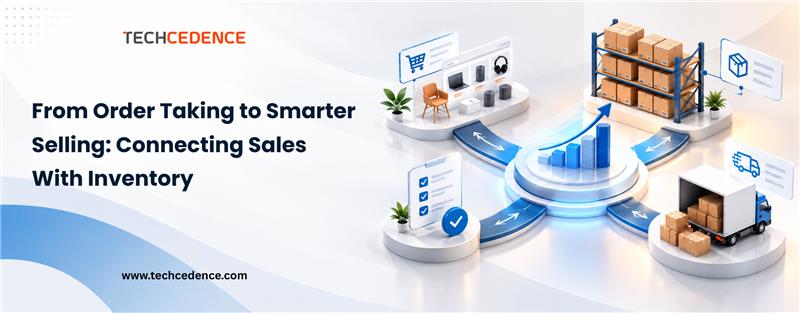
With this type of initiative, you can tie together different types of inventory activity, such as warehouse and sales systems, procurement, and logistics, in order to have a complete view of how inventory is performing throughout the organization. As a result, you will be able to identify trends, predict shortages of inventory, and optimize the movement of inventory more effectively.
The use of inventory intelligence changes the way teams manage inventory from strictly monitoring to having access to real-time data that enables them to use data to support operating decisions that will improve operational responsiveness and increase effectiveness.
The Core Components of Inventory Intelligence
A combination of interconnected technologies and processes based on data enables inventory intelligence to enhance visibility and make better decisions throughout all operations.
Real-Time Inventory Visibility
By providing accurate and timely inventory information through continuous tracking of warehouses, stores, and workflows, businesses can reduce delays associated with manual reporting and increase responsiveness to changes in their operation.
Data Integration
For this to happen, inventory systems must connect with enterprise resource planning (ERP), sales, procurement, and logistics systems to provide a complete view of operations. Integrated data eliminates silos between departments and ensures a unified view of operations.
Analytics and Forecasting
Analytics tools allow businesses to see patterns in movement, changes in demand by season, and inventory trends. These insights support improved planning and the accuracy of decisions related to how much to replenish.
Automated Decision Support
Modern inventory systems can generate reorder recommendations, alert for exceptions, and notify movement in stock based on real-time conditions, enabling teams to respond quickly to avoid shortages or overstock.
Collectively, these parts create proactive and intelligence-based inventory management as an operational function.
From Monitoring Inventory to Predicting Operations
Real-time and ongoing visibility of inventory movement and demand trends allows users within an organization to detect inventory shortages or excess inventory or identify potential supply chain disruptions sooner. This provides teams with the ability to modify replenishment plans, reallocate inventory, and respond to changing demand faster and more accurately.
Predictive analytical capabilities also enhance interdepartmental coordination; therefore, procurement, sales, and logistics functions will all have access to the same information they need to make prompt and informed decisions. By seizing the opportunity to manage inventory issues before they occur, organizations can maximize current and future approvals of operations based on anticipated foreshadowed conditions.
Business Impact of Inventory Intelligence
Inventory technology brings significant measurable enhancements across operational performance. Companies now have the ability to have more precise inventories through fast time visibility and forecast the future; therefore, they no longer need to make manual decisions regarding their inventory.
Better forecasts and automated backup for decisions minimize stockouts and reduce overstocking by aligning proper inventory levels with demand, creating greater availability and better control over costs.
Operational efficiency increases overall, with each team being able to quickly get access to solid, good information about the company’s inventory. Procurement, sales, warehouse, and logistics functions can work together as all will be working from the same information, so that inconsistencies, delays in communicating, and increased response times will not occur.
As well, inventory technology allows for stronger financial controls. Lower carrying costs, less waste, and improved turnover rates result in more efficient operations and better use of company resources.
The Future of Intelligent Inventory Operations
As operations in inventory management continue to increase automation and use of predictive decision-making, the amount of real-time visibility and analytics available to decision-makers is also increasing. As this occurs, organizations will have access to systems that are able to identify trends, find exceptions, and make recommendations with the least amount of manual involvement.
The growing adoption of technologies like AI, IoT, and connected inventory platforms is reshaping how businesses manage inventory operations. What was once limited to tracking stock levels is now becoming a broader operational intelligence system that supports planning, forecasting, and overall workflow efficiency.
As inventory management continues to advance, organizations are moving away from reactive decision-making toward a more proactive and data-driven approach. Businesses that invest in intelligent inventory solutions can strengthen operational efficiency, respond faster to changing market demands, and maintain better visibility and control across complex supply chain networks.
Conclusion
The introduction of inventory intelligence has enabled organizations to proactively act on anticipated operational needs, improve the coordination between business units, and respond differently to fluctuating demand conditions. Therefore, as visibility and connectivity increase, inventory has transitioned from being only a control function to a strategic source of operational insight.
As organizational environments and supply chains continue to evolve, organizations using inventory intelligence will be positioned to increase operational efficiency, reduce operational risk, and create more responsive operations.