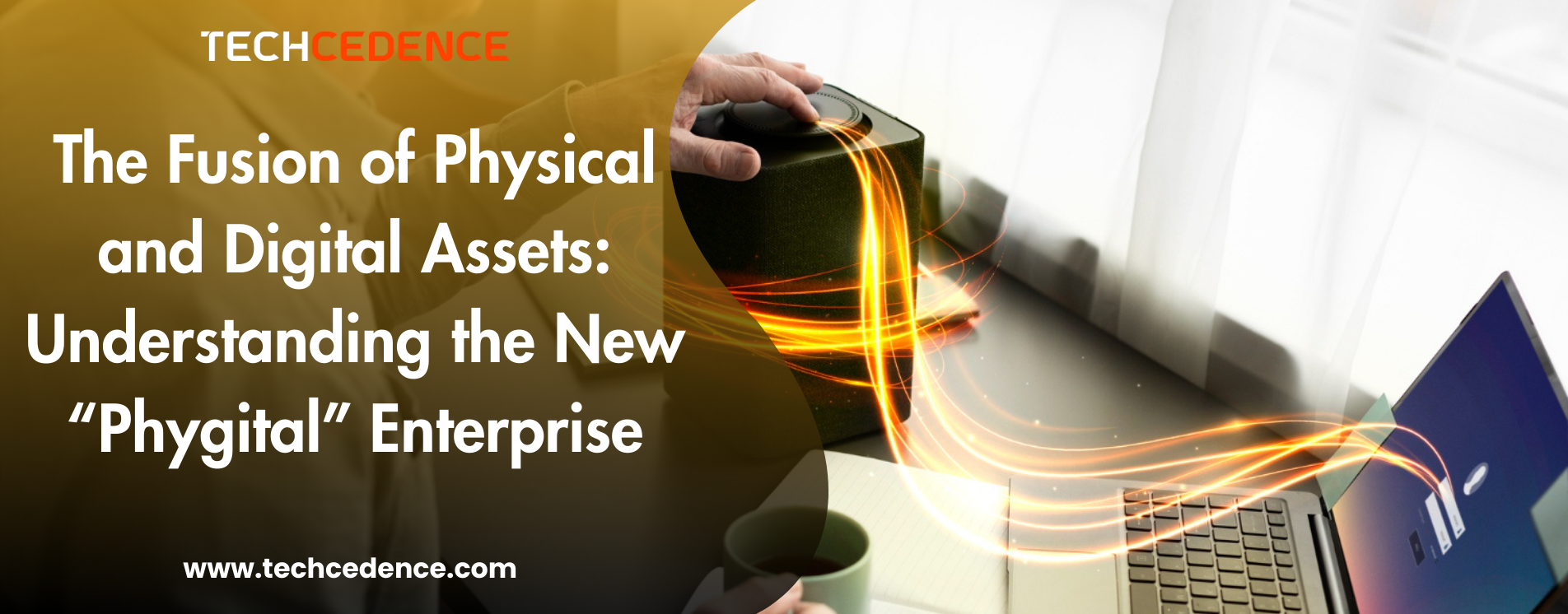
The Fusion of Physical and Digital Assets: Understanding the New “Phygital” Enterprise
As more companies integrate both their physical and digital operations into an intelligent, integrated system using technology, the distinction between the physical and digital world continues to disappear. This new model of value creation, asset management, and customer experience will ultimately change how businesses are organized. The formerly independent nature of physical and digital operations has been replaced by a single, connected environment created from sensors, data platforms, smart devices, and AI tools working together.
A key element contributing to the success of this transformation is the capability to gather ongoing data from the physical environment and leverage it as a source of instantaneous intelligence. The swift development of interconnected devices, including RFID tags, IoT sensors, cameras, and smart machinery, is equipping warehouses, manufacturing facilities, transportation systems, and retail establishments with practically limitless real-time information and insights.
This constant flow of data resulting from every movement, condition, and action empowers manufacturers and retailers to base their decisions on data rather than guesswork. Additionally, digital twins of physical assets allow companies to develop virtual representations of these assets, enabling them to test performance, assess potential improvements, and predict future challenges.
Every day, business processes are transformed by this all-in-one approach. Through a combination of physical (phygital) and digital technologies in supply chains, companies can track inventory at multiple locations, automate management and ordering processes, anticipate problems before they happen, and automate parts inventory based on sensor data to optimize production operations, which leads to better quality and fewer interruptions.
For retailers, this combined system has created an experience for shoppers that allows them to see both physical and online items at the same time, along with automated checkouts based on automated technology. As a result, there is greater accuracy, faster processing times, and an improved experience for both the employee and the customer.
Data is critical to accomplishing this change. As physical items become interactive, organizations receive information exponentially. The point of value is not in the information itself, but rather that it can convert the data into valuable actions. Businesses require a unified platform to combine multiple devices’ inputs to analyze data patterns and trigger automated tasks/workflows.
AI and machine learning models provide insight into current inefficiencies, provide suggestions for improvement, and help predict future needs. Rather than depending on a manual review process, teams now use continuous learning systems to give them recommendations with a high level of trust.
The phygital model enhances the company’s ability to track and control assets. With full tracking of where the asset is located, its condition, how much it is being used, and how long it has been in use, the organization can move from reacting to asset failures to predicting asset failures. In addition to reducing costs, they can better plan for maintenance and extend the life of their assets.
In addition, clearly defined data trails will allow for compliance and audit processes to be more transparent and simpler to manage. These capabilities are essential for companies with asset movement complexity in their industry, such as logistics, healthcare, automotive, energy, and large retailers.
The demand from customers is a significant factor driving the implementation of phygital systems. In today’s world, customers anticipate a smooth transition between physical and digital environments. They look for precise information, quick service, and personalized interactions when buying products or services or engaging with brands.
To satisfy customer expectations for phygital experiences, companies must ensure their physical locations are always operational and accessible to customers digitally in real-time. By fulfilling customer expectations for phygital experiences, businesses can cultivate trust with their clients and enhance brand loyalty.
The evolution of security and governance is one of the most critical drivers of the phygital model. As businesses become digitally connected to physical venues via the internet, the attack surface for hackers grows. Businesses must implement strong identity management, mobile device authentication, encrypted communication channels, and enforceable data access controls to protect against intrusions. Implementing a strong governance strategy will help ensure that data is handled responsibly and that systems operate correctly. When these safeguards are in place, the benefits of phygital integration are far more significant than the risks associated with it.
This transformation affects more than just technology teams. It impacts the way people do their jobs, how they make decisions, and how companies think about their future. Jobs that were primarily focused on the manual processes of tracking and documenting now have a greater emphasis on strategic thinking and leveraging data insights. The discovery of ways for teams to share information has led to greater levels of coordination in operations. This enhanced level of visibility into performance allows leaders to make better investment decisions and plan strategically for the future.
In conclusion, the phygital enterprise is a fundamentally different way of operating by integrating digital accuracy with physical dependability. Upon adopting this model, businesses will experience increased speed, effectiveness, and insight into their own businesses. Instead of reacting, they will anticipate needs; instead of being driven by disjointed processes, they will be able to understand how everything fits together; and instead of using manual processes, they will leverage smart automation for maximum performance.
The way that businesses combine their physical and digital environments is to determine which ones are going to be able to grow and innovate, as well as compete. The phygital enterprise is no longer just a new idea; it is now becoming one of the cornerstones of the modern organization, with new assets that have a higher level of intelligence, faster decision-making processes, and the ability to create value through the complete integration of the physical world and the digital world.