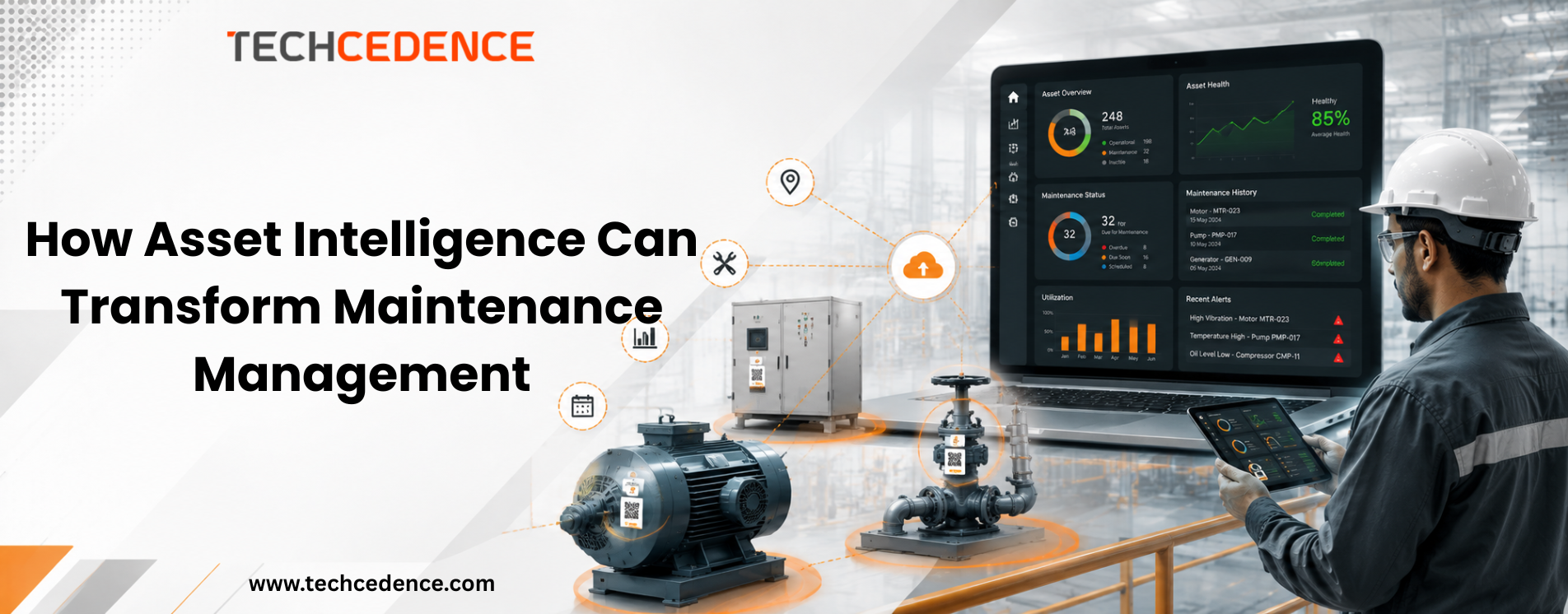
How Asset Intelligence Can Transform Maintenance Management
Maintenance management is often reactive. An asset develops a problem, the issue is reported, and the maintenance team responds. While this approach can address immediate failures, it provides limited insight into why problems occur or which assets may require attention next.
Asset intelligence changes this approach by bringing together information about an asset’s location, usage, history, and maintenance activities. Instead of relying only on scheduled checks or manual records, organizations can use connected asset data to make better maintenance decisions. This creates an opportunity to move from simply repairing assets to managing their performance more proactively and efficiently.
Why Traditional Maintenance Management Falls Short
Traditional maintenance often depends on manual records, fixed schedules, and information spread across different systems. This can make it difficult for teams to understand an asset’s complete history or identify recurring maintenance issues.
Another challenge is limited visibility into asset movement and usage. When teams do not have timely information about where assets are or how they are being used, maintenance planning becomes less efficient. Resources may be spent on assets that do not require immediate attention while critical issues remain unnoticed.
As asset portfolios grow, these limitations can make reactive maintenance increasingly difficult to manage and highlight the need for better asset intelligence.
What Asset Intelligence Really Means
Asset intelligence goes beyond simply knowing where an asset is. It brings together information such as asset details, movement history, usage, ownership, and maintenance records to create a more complete view of each asset.
This connected information helps maintenance teams understand how assets are being used and how their history may influence future maintenance needs. Instead of working with isolated records, teams gain useful context that can support better decisions.
The goal is to turn asset data into actionable insight, helping organizations manage maintenance with greater visibility, consistency, and control.
From Reactive Maintenance to Proactive Decisions
Asset intelligence allows maintenance teams to move beyond responding to failures after they occur. By analyzing asset history, usage patterns, and maintenance records, teams can identify which assets require attention and prioritize maintenance activities more effectively.
This visibility also supports better resource planning. Teams can allocate technicians, spare parts, and maintenance time based on actual asset requirements rather than relying only on fixed schedules. As a result, organizations can reduce avoidable disruptions and improve the efficiency of maintenance operations.
The shift is not simply about maintaining assets more frequently. It is about using better information to determine where, when, and why maintenance attention is needed.
Improving Asset Visibility Across the Lifecycle
Maintenance decisions become easier when teams have a clear view of an asset throughout its lifecycle. From acquisition and deployment to movement, usage, and retirement, maintaining consistent asset information helps teams understand where assets are and how they are being managed.
Centralized records also improve accountability. Teams can quickly identify asset ownership, movement history, and relevant maintenance information without relying on scattered records. This reduces time spent searching for information and helps maintenance teams respond more efficiently.
By connecting asset visibility with maintenance activities, organizations can build a more complete understanding of asset performance and make better decisions throughout the asset lifecycle.
How Better Asset Data Improves Maintenance Efficiency
Better asset data can significantly improve how maintenance teams plan and execute their work. When asset information is accurate and accessible, technicians spend less time searching for records and more time addressing actual maintenance requirements.
Clear visibility into asset history also helps teams avoid unnecessary maintenance and identify recurring issues more quickly. With better information, organizations can prioritize critical assets, allocate resources efficiently, and reduce disruptions caused by unexpected problems.
Over time, this creates a more efficient maintenance process where decisions are based on reliable asset information rather than assumptions or incomplete records.
Building an Intelligence-Driven Maintenance Environment
Asset intelligence becomes more valuable when asset information is connected to everyday maintenance workflows. A centralized platform can bring asset details, movement records, ownership information, and maintenance history together, giving teams a consistent source of information.
Our solution TracAsset help organizations maintain centralized asset visibility and lifecycle information. This provides maintenance teams with the context they need to prioritize work, track asset status, and make more informed decisions.
By connecting asset intelligence with maintenance processes, organizations can create a more proactive approach that improves visibility, accountability, and operational efficiency.
The Future of Maintenance Management
Maintenance management is moving toward more proactive and data-driven approaches. As organizations collect richer information about assets, analytics and automation can help identify patterns, prioritize maintenance needs, and support faster decisions.
The future will increasingly involve condition-based and predictive maintenance, where actions are guided by actual asset information rather than fixed schedules alone. This can help organizations reduce unexpected disruptions, improve resource utilization, and extend asset value.
As asset intelligence becomes part of broader operational systems, maintenance teams will be better equipped to anticipate problems, optimize workflows, and manage assets throughout their lifecycle.
Conclusion
Asset intelligence is changing maintenance management from a reactive function into a more informed and proactive process. By connecting asset information, movement history, usage, and maintenance records, organizations can gain the visibility needed to make better decisions.
The goal is not simply to maintain assets more efficiently, but to understand them throughout their lifecycle and act before problems disrupt operations. As businesses adopt connected asset platforms, analytics, and automation, asset intelligence can become a foundation for more reliable, efficient, and data-driven maintenance management.