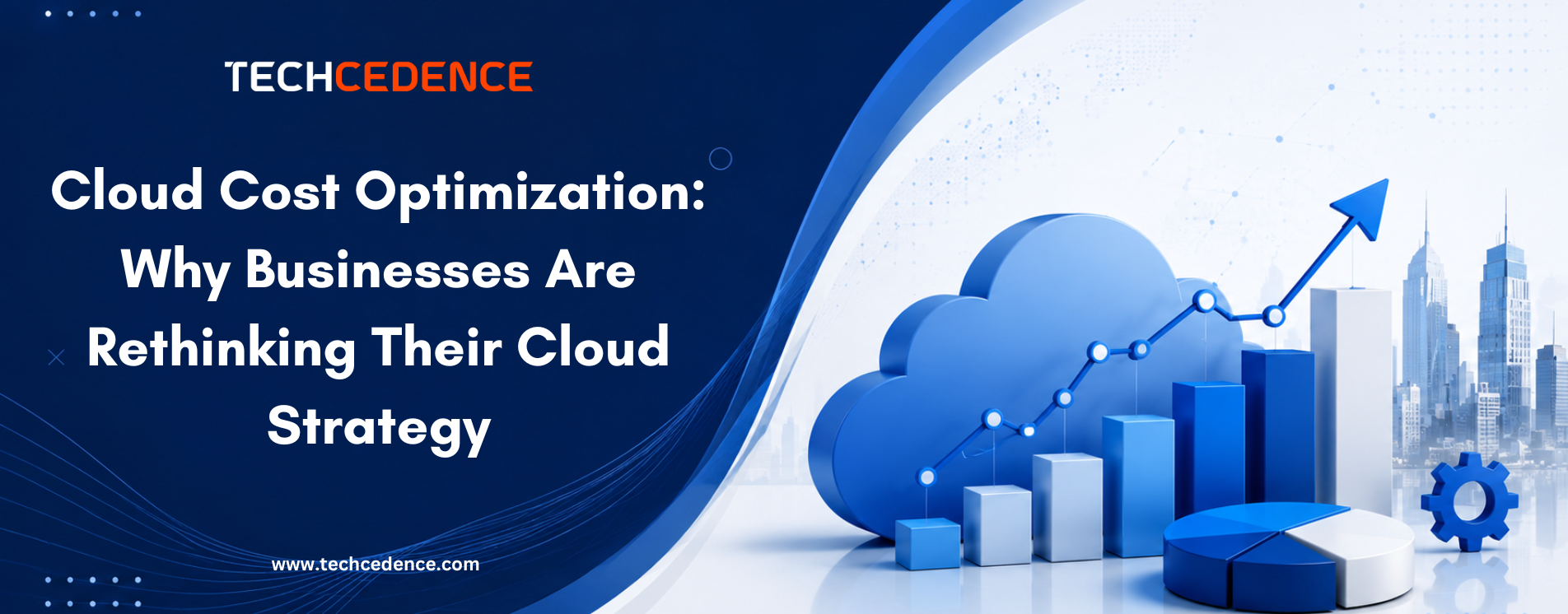
Cloud Cost Optimization: Why Businesses Are Rethinking Their Cloud Strategy
Cloud computing has transformed the way businesses build, deploy, and scale applications. It offers flexibility, faster innovation, and the ability to adapt quickly to changing business demands. However, as cloud adoption grows, many organizations are finding that their cloud expenses are increasing faster than expected.
This has shifted the focus from simply moving workloads to the cloud to managing cloud resources more effectively. Cloud cost optimization is no longer about reducing spending alone. It is about ensuring every cloud investment delivers measurable business value while maintaining performance, scalability, and operational efficiency.
Why Cloud Costs Continue to Rise
Cloud costs often increase gradually rather than all at once, making them difficult to identify until they become a significant concern. As businesses deploy more applications, store larger volumes of data, and expand cloud services, resource consumption naturally grows. Without regular oversight, cloud environments can become inefficient and more expensive to operate.
Common factors include overprovisioned computing resources, unused storage, idle virtual machines, and services that continue running even when they are no longer needed. In many cases, organizations also struggle with limited visibility into how different teams or applications consume cloud resources. As cloud environments become more complex, managing costs requires continuous monitoring and informed decision-making rather than occasional reviews.
Why Cost Cutting Alone Is Not the Answer
Reducing cloud expenses should not come at the cost of application performance, reliability, or business agility. Simply scaling down resources or eliminating services without understanding their impact can lead to slower applications, reduced availability, and a poor user experience.
An effective cloud strategy focuses on optimization rather than cost reduction alone. This means aligning cloud resources with actual business needs, ensuring applications have the capacity they require while avoiding unnecessary spending. Organizations can enhance the value of their cloud investment and facilitate sustainable business growth by optimizing performance, scalability, and cost.
Key Strategies for Cloud Cost Optimization
Cloud cost optimization begins with understanding how resources are being used and making informed adjustments based on actual demand. One of the most effective strategies is right-sizing compute, storage, and networking resources to match workload requirements, ensuring businesses pay only for the capacity they need.
Organizations can further optimize costs by automating resource scheduling, shutting down non-production environments when they are not in use, and removing unused or underutilized services. Continuous monitoring also plays a critical role by identifying spending trends, detecting anomalies, and highlighting opportunities for improvement. Together, these practices help businesses maintain an efficient cloud environment while supporting performance, scalability, and long-term growth.
Building a Cost-Aware Cloud Culture
Cloud cost optimization is most effective when it becomes a shared responsibility across the organization rather than being managed solely by the IT team. Business leaders, finance teams, and technology teams all play a role in ensuring cloud resources are used efficiently and aligned with organizational goals.
Establishing clear budgets, defining usage policies, and regularly reviewing cloud consumption help improve cost visibility and accountability. When teams understand how their decisions affect cloud spending, they are more likely to provision resources responsibly and eliminate unnecessary costs. A cost-aware culture encourages continuous optimization, enabling businesses to control expenses while supporting innovation and operational growth.
The Role of Cloud Management and Automation
Managing cloud costs manually becomes increasingly difficult as cloud environments grow in size and complexity. Cloud management and automation help organizations maintain control by continuously monitoring resource usage and responding to changing workload demands without constant manual intervention.
Automation can optimize resource allocation, scale applications based on real-time requirements, and identify underutilized services that can be resized or decommissioned. Combined with centralized monitoring, these capabilities provide better visibility into cloud usage, improve operational efficiency, and help businesses make proactive decisions that keep cloud spending aligned with business needs.
Partnering with the Right Cloud Service Provider
Cloud cost optimization requires more than periodic reviews or short-term cost-saving measures. It begins with designing a cloud environment that aligns with business objectives, application requirements, and future growth plans. An experienced cloud service provider can help organizations assess workloads, select the right cloud architecture, and implement governance practices that keep costs under control without affecting performance.
Techcedence’s helps businesses build, manage, and optimize cloud environments that balance scalability, security, and operational efficiency. Through continuous monitoring, resource optimization, and strategic cloud planning, organizations can maximize the value of their cloud investment while remaining prepared for future business demands.
Conclusion
Optimizing cloud costs has evolved beyond being solely a financial effort. It is a strategic method to guarantee that cloud investments consistently provide value as business requirements change. Rather than focusing solely on reducing expenses, organizations should strive to balance cost, performance, scalability, and operational efficiency.
Through consistent observation of cloud usage, implementing sound governance strategies, and adjusting resources according to real-time demand, companies can achieve enhanced oversight of their cloud settings. A well-planned cloud strategy not only helps manage costs but also provides the flexibility and resilience needed to support long-term growth.